 Opening Hours : Sunday - Friday, 8:00am - 5:00pm


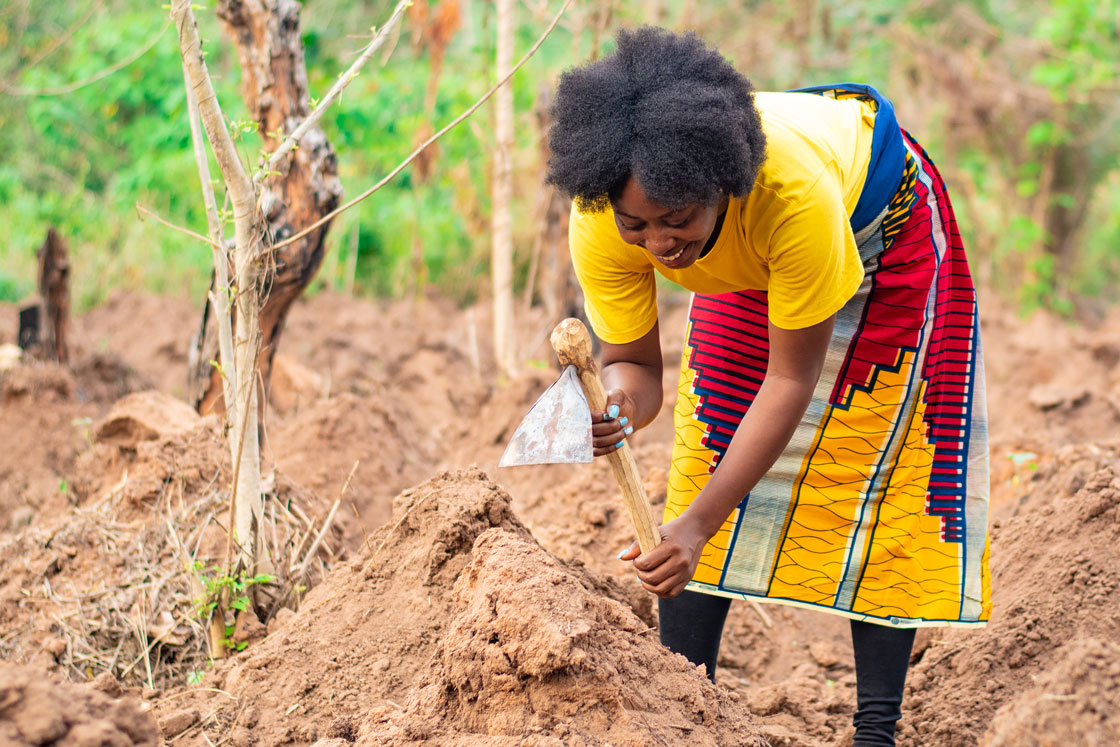
How the right seeds transformed lives across Uganda – authentic stories of agricultural triumph
When Sarah Nakato planted her first tomato crop in Wakiso district three years ago, she never imagined that a simple decision about seed quality would completely transform her family’s future. Today, she’s not just feeding her children—she’s sending them to university.
Sarah’s story isn’t unique. Across Uganda, growers are discovering that the foundation of agricultural success lies not in luck or weather, but in something much more fundamental: the quality of seeds they choose to plant.
The Power of a Single Decision
Sarah Nakato – Wakiso District: From Survival to Prosperity
Sarah’s journey began like many smallholder growers in Uganda—struggling to make ends meet on less than an acre of land. For years, she relied on seeds saved from previous harvests and occasional purchases from local markets, never questioning their quality.
“I was getting maybe 10-15 tomatoes per plant, and half of them would rot before reaching market,” Sarah recalls, standing in what is now a thriving half-acre vegetable garden. “My husband kept saying we should find other work, but I believed in growing.”
The turning point came in 2022 when Sarah attended a House of Seeds demonstration plot in nearby Mpigi. She watched in amazement as the Enza Zaden hybrid tomato varieties produced clusters of 40-50 fruits per plant—nearly four times what she was achieving.
“I thought it was some kind of magic,” she laughs. “But the agricultural officer explained it was simply about genetics and disease resistance.”
Sarah invested her savings—200,000 UGX—in certified hybrid tomato seeds from House of Seeds. The results were immediate and dramatic:
Before (Local Seeds):
- Yield: 2-3 tons per acre
- Income per season: 800,000 – 1,200,000 UGX
- Disease losses: 40-50%
- Market rejection rate: 30%
After (House of Seeds Hybrids):
- Yield: 8-12 tons per acre
- Income per season: 4,500,000 – 6,000,000 UGX
- Disease losses: Less than 10%
- Market rejection rate: Under 5%
“The first harvest paid for my initial investment ten times over,” Sarah beams. “Now I’m planning to buy more land and expand into bell peppers.”
Breaking the Cycle: From Subsistence to Commercial Success
James Mukasa – Luweero District: The Cabbage King
Fifty-year-old James Mukasa had been growing local cabbage varieties for over two decades when he met House of Seeds field officers in 2021. His story illustrates how even experienced growers can revolutionize their operations with the right seed choices.
“I thought I knew everything about cabbage growing,” James admits. “But I was barely breaking even after twenty years.”
James’s challenge wasn’t knowledge—it was seed quality. His local varieties took 120-140 days to mature, were prone to black rot disease, and produced inconsistent head sizes that buyers often rejected.
House of Seeds introduced him to Bejo’s fast-maturing hybrid cabbages designed specifically for tropical conditions. The transformation was remarkable:
Traditional Varieties vs. Hybrid Performance:
Growing Period:
- Local varieties: 120-140 days
- House of Seeds hybrids: 75-85 days
Yield per Acre:
- Local varieties: 15-20 tons
- House of Seeds hybrids: 35-45 tons
Disease Resistance:
- Local varieties: Frequent crop losses to black rot and clubroot
- House of Seeds hybrids: Built-in resistance to major diseases
Market Value:
- Local varieties: 800-1,200 UGX per head
- House of Seeds hybrids: 1,500-2,500 UGX per head (uniform size, better quality)
“In two years, I went from struggling grower to supplying three major supermarket chains in Kampala,” James says proudly. “My neighbors call me the ‘Cabbage King’ now.”
The financial impact has been life-changing. James now earns over 15 million UGX per season from his 2-acre plot, compared to the 3-4 million he made previously. He’s built a new house, bought a pickup truck for transport, and employs six permanent workers.
Innovation Meets Tradition: The Herb Revolution
Grace Namusoke – Mukono District: From Housewife to Entrepreneur
Grace Namusoke’s transformation story shows how the right seeds can create entirely new opportunities. A housewife with no formal growing experience, Grace started with a small backyard garden to supplement her family’s food supply.
“My husband lost his job in 2020, and we needed extra income urgently,” Grace explains. “I had this small space behind our house, maybe 10 by 15 meters.”
Rather than attempting large-scale vegetables, Grace focused on herbs—basil, coriander, and parsley—using certified seeds from House of Seeds’ partnership with Pop Vriend. The decision proved brilliant.
Herbs offered several advantages:
- High value per kilogram
- Continuous harvesting (cut-and-come-again varieties)
- Strong urban market demand
- Minimal space requirements
- Quick turnaround (first harvest in 30-45 days)
Grace’s Herb Garden Economics:
Initial Investment (2020):
- Seeds: 150,000 UGX
- Basic irrigation: 200,000 UGX
- Soil preparation: 100,000 UGX
- Total: 450,000 UGX
Monthly Revenue (Current):
- Basil: 800,000 UGX
- Coriander: 600,000 UGX
- Parsley: 400,000 UGX
- Total: 1,800,000 UGX per month
“I supply fifteen restaurants in Kampala now,” Grace says, showing off her expanded operation. “Some weeks, I can’t meet all the orders.”
Grace’s success has inspired an entire movement in her community. She now mentors other women, sharing techniques and connecting them with House of Seeds for quality inputs.
Overcoming Climate Challenges: The Resilience Factor
Moses Ssemakula – Mubende District: Drought-Defying Success
Moses Ssemakula’s story demonstrates how the right seed varieties can help growers adapt to Uganda’s increasingly unpredictable climate patterns. Operating in semi-arid Mubende district, Moses faced the challenge of producing vegetables with limited and irregular rainfall.
“2019 and 2020 were terrible years,” Moses recalls. “The rains failed, and I lost everything twice. I was ready to give up growing.”
House of Seeds field officers introduced Moses to drought-tolerant pepper varieties specifically bred for challenging conditions. These Monarch Seeds hybrids required 30% less water while maintaining high productivity.
Climate-Smart Results:
Water Usage:
- Traditional varieties: 600-800mm seasonal requirement
- Drought-tolerant hybrids: 400-500mm seasonal requirement
Yield Stability:
- Traditional varieties: Highly variable (0-15 tons/acre depending on rainfall)
- Drought-tolerant hybrids: Consistent 20-25 tons/acre even in dry years
Income Reliability:
- Before: Highly unpredictable, often zero in drought years
- After: Consistent 8-12 million UGX per season
“These seeds gave me hope again,” Moses says. “Even when my neighbors’ crops failed last dry season, mine kept producing.”
The Ripple Effect: Community Transformation
What makes these stories particularly powerful is their ripple effect throughout communities. Success breeds success, and demonstration plots naturally emerge as neighbors witness dramatic transformations.
In Sarah’s village, vegetable production has increased by over 300% in three years. In James’s area, young people are returning to agriculture, inspired by his commercial success. Grace’s herb revolution has spread to over 200 households in Mukono.
Dr. Agnes Nabukenya, an agricultural extension officer working with House of Seeds, explains the broader impact: “When growers see their neighbors’ success with quality seeds, it creates a demonstration effect more powerful than any government program. Real results speak louder than any training manual.”
The Science Behind the Success
These transformations aren’t accidents—they’re the result of rigorous scientific breeding and testing. House of Seeds’ partnership with Netherlands-based companies brings decades of research and development to Ugandan conditions.
Key Advantages of Certified Hybrid Seeds:
Disease Resistance: Genetic resistance to common diseases like bacterial wilt, viral infections, and fungal problems that devastate local varieties.
Climate Adaptation: Varieties specifically bred and tested for tropical conditions, ensuring consistent performance across Uganda’s diverse agro-ecological zones.
Yield Potential: Hybrid vigor produces significantly higher yields while maintaining fruit quality and marketability.
Input Efficiency: Better nutrient uptake and water use efficiency, reducing production costs per kilogram of output.
Market Quality: Uniform size, color, and shelf life that meet modern market requirements, especially for urban and export markets.
Challenges and Lessons Learned
These success stories weren’t without challenges. Each grower faced obstacles that required persistence and adaptation:
Initial Investment Barrier: Quality seeds cost 3-5 times more than local varieties upfront, requiring faith and financial planning.
Knowledge Gap: Success required learning new techniques, proper spacing, fertilization, and pest management.
Market Access: Higher quality produce required finding appropriate markets that valued and paid for premium products.
Risk Management: Moving from subsistence to commercial grower required new approaches to planning and risk management.
However, House of Seeds’ comprehensive approach—combining quality seeds with training, demonstration plots, and ongoing support—helped growers navigate these challenges successfully.
Looking Forward: Writing Your Success Story
Today, Sarah is planning to expand into greenhouse production. James is mentoring young growers and considering value addition through processing. Grace is developing her own herb brand for retail markets. Moses is experimenting with drip irrigation to further optimize his drought-resistant varieties.
Their stories represent thousands of similar transformations happening across Uganda. The common thread? A decision to invest in quality seeds and embrace proven agricultural practices.
The question isn’t whether you can achieve similar success—it’s whether you’re ready to take the first step.
Ready to write your own success story?
Visit House of Seeds today to explore our full range of certified hybrid varieties. Our field officers are ready to help you select the right seeds for your specific conditions and goals. Whether you’re growing for family consumption or commercial markets, we have the genetics and expertise to help you succeed.
Don’t let another season pass wondering “what if.” Join the thousands of Ugandan growers who’ve already discovered that success truly does start with a seed.
Browse Our Seed Varieties | Book a Consultation
House of Seeds Ltd Uganda – Your Partner in Agricultural Success